Weight Care Can’t Wait
Food is often equated to love. The more we love our pets, the more we tend to feed them… We’ve all been there.
“You’ve been such a good boy, here’s some scraps from my plate.” “What a good girl, here’s an extra scoop of your favorite kibble.” “TREATS… I love you!”
No judgement. We tend to spoil our pets. And food is the perfect device. So, what’s the harm?
As in humans, obesity causes many health concerns that can lead to a shorter lifespan:
Heart Health - Obesity in dogs and cats significantly impairs heart health by forcing the heart to work harder, leading to structural changes, hypertension, and reduced cardiac efficiency. They are more likely to have elevated blood pressure, a risk factor for heart disease.
Joint Health - When a dog or cat gets too heavy it puts extra stress on the heart and frame. Their joints can suffer which can add to arthritis or lameness. When their joints suffer, they might tend to become more lethargic and not want to take that walk with you or chase a leaf dancing across the yard.
Diabetes - Overweight pets, especially cats, face a higher risk of insulin resistance, which leads to diabetes.
Cancer - Chronic inflammation from fatty tissue is linked to an increased risk of certain cancers.
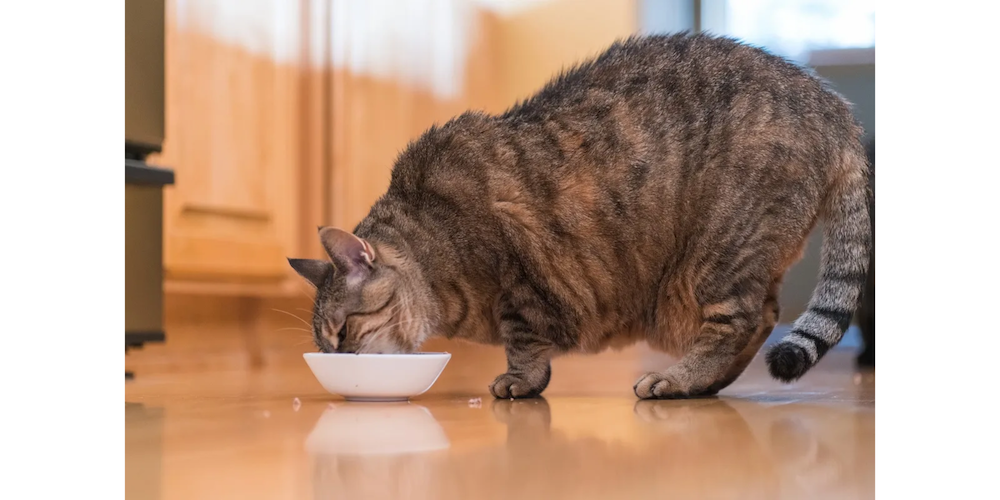
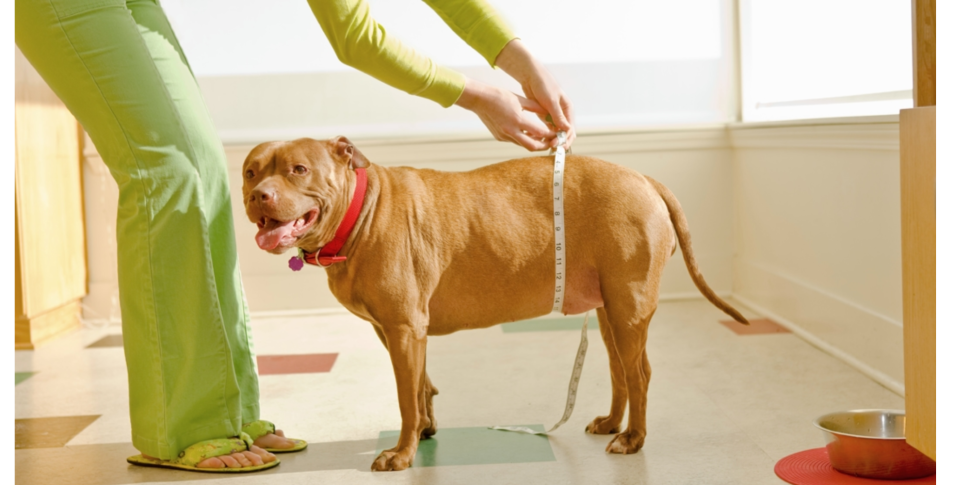
Cornell College of Veterinary Medicine estimates that 50-60% of dogs and cats are obese or overweight. Here is a quick checklist provided by the Association for Pet Obesity to help determine your pet’s Body Condition Score (BCS). This can help determine if your pet is too thin, ideal or overweight. If you are still unsure, contact your veterinarian.
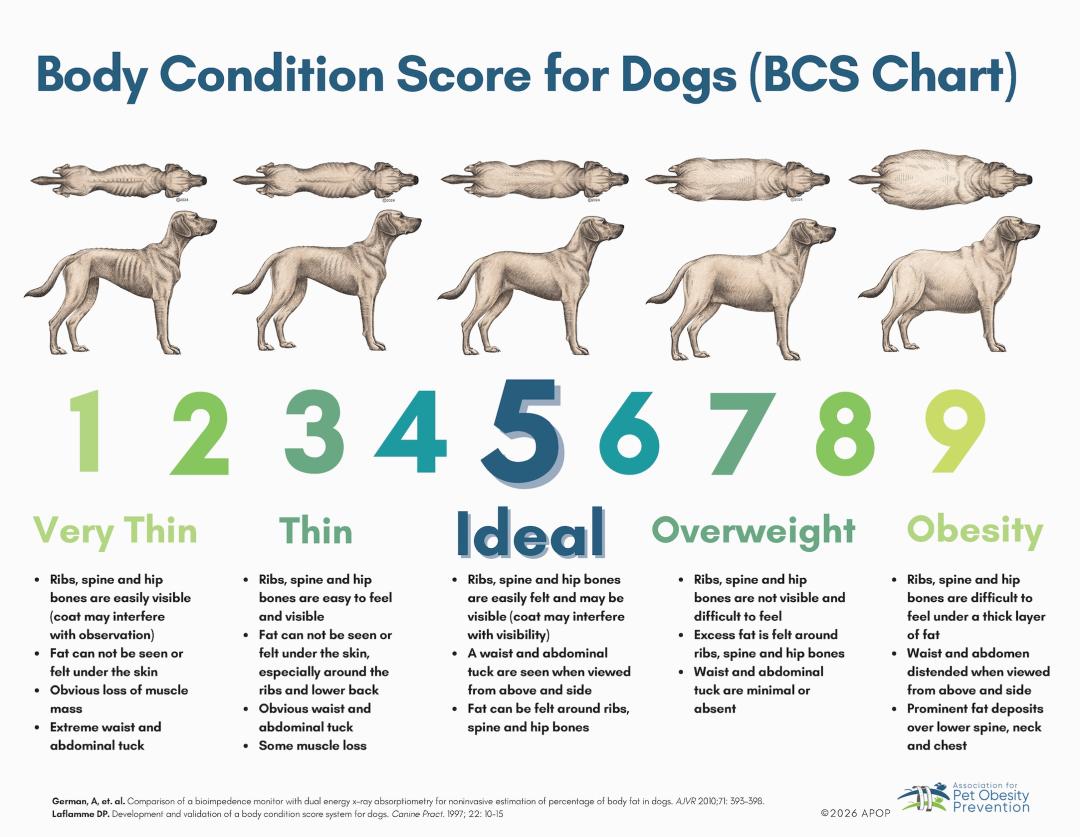
Ideal BCS
- Feel the ribs - Use light pressure. You should feel ribs easily, but they should not feel prominent.
- Look for a waist (top view) - From above, there should be a slight inward curve behind the ribs.
- Check the abdominal tuck (side view) - The belly should slope upward toward the hind legs. A rounded or sagging belly suggests excess body fat.
Losing weight is hard and should be approached as not only a change in diet, but a lifestyle change.
- Begin your weight loss by gradually reducing portions. Read the suggested feeding guide provided by your pet food provider. Consulting you vet is an important step to healthy weight reduction and maintenance.
- Look for a dog or cat food that is a low-fat recipe. According to the Association of American Feed Control Officials (AAFCO) regulations, "low fat" dry food generally contains less than 10% crude fat for dry products.
- Limit the number of treats you give each day. Look for low-calorie treats.
- Food puzzles can extend the time it takes for your pet to consume their food.
- Cat shelves and towers provide climbing exercise for your cat.
- Take a walk with your dog. You will both benefit!
Helping your pet maintain a healthy weight is one way to promote a longer, healthier and happier life together. More walks. More snuggles. More time.